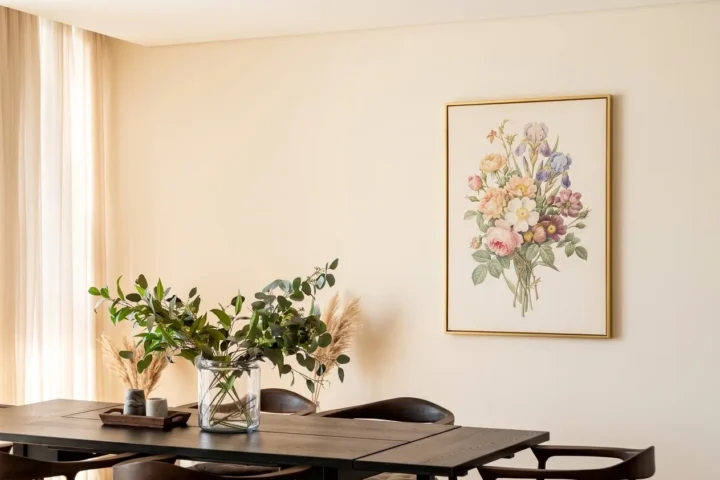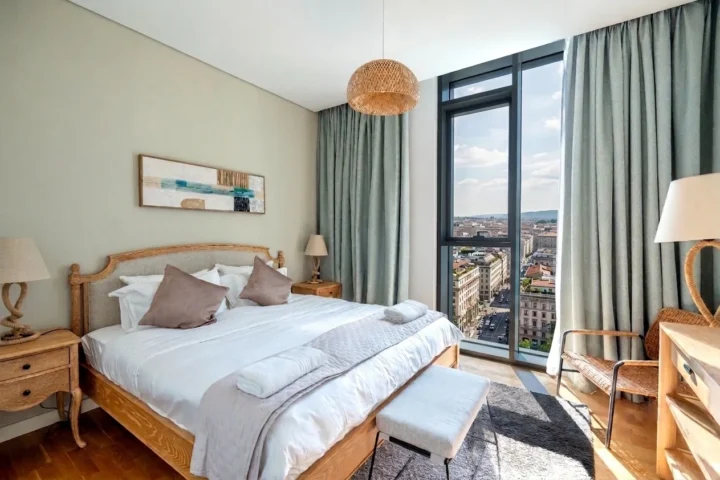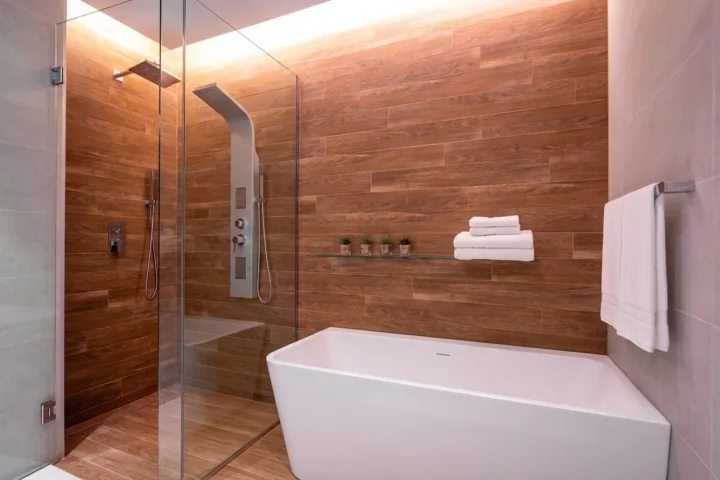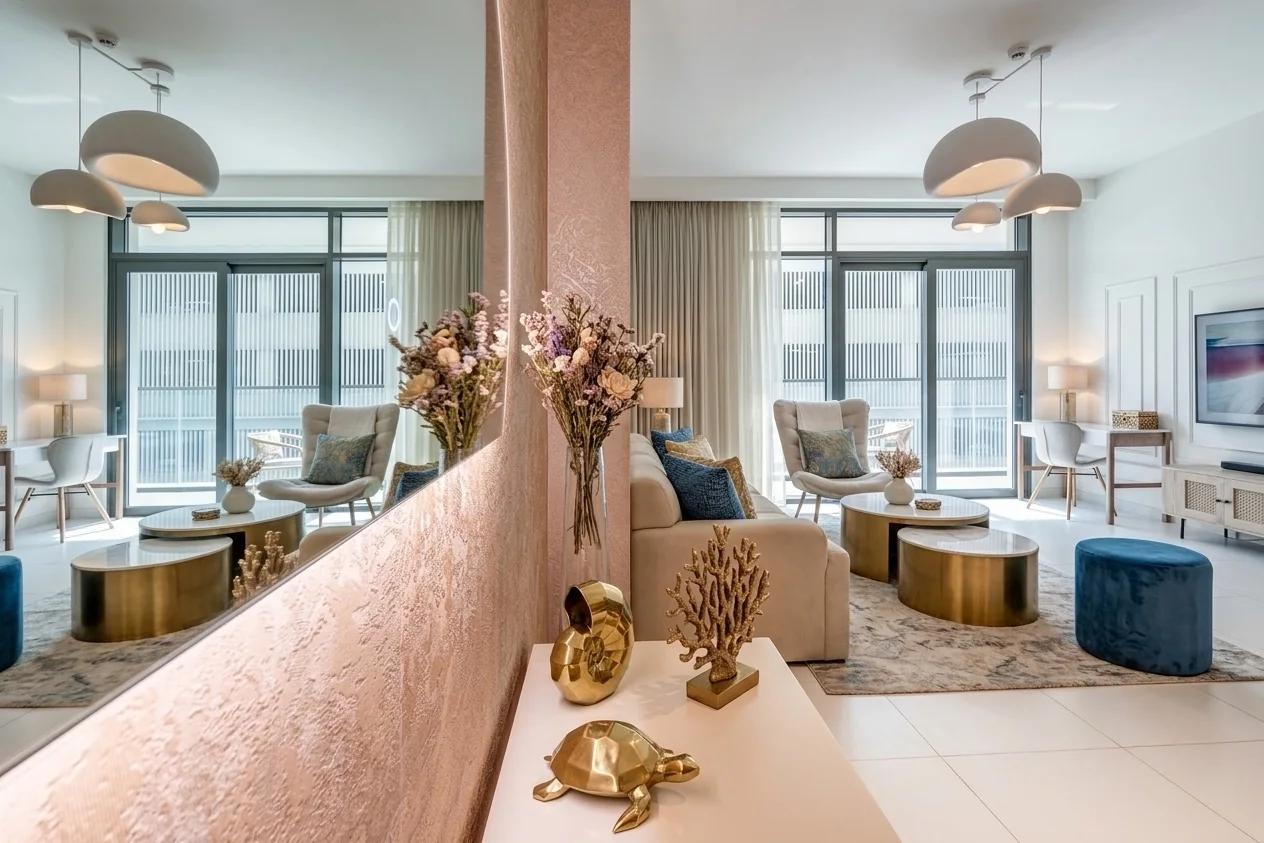
A carefully resolved project needs photographs that speak the same visual language. Interior photography should do more than show a room: it should make proportion, light, materials and the relationships behind each design decision easy to read.
I work with architecture practices, interior designers and showrooms across Milan and northern Italy. Every commission is shaped around the project and its destination: portfolio, publication, award submission or client presentation.
The project comes before the camera
Before planning a frame, I need to understand the intention. What did the project solve? Which volumes organise the space, which materials belong together, and how does daylight shape the design? That conversation reveals what genuinely explains the work.
We define essential views, details, light and final uses in a shot list. For a publication, submission or launch, I consider formats, sequence and layout space from the outset. The result is a coherent story, not a folder of unrelated views.
Furniture, objects, textiles and planting stay when they support the design; visual noise is removed. The space is never turned into something else. It is edited only enough for geometry, material and use to emerge.
Method
A tripod, level and careful line control keep verticals and proportions credible without flattening the architecture. Camera position follows the project: an axial view can explain order; an oblique view can reveal how rooms connect.
Balanced exposures and digital blending hold window light, shadow and artificial illumination together. Colour follows the real finishes, so timber, stone, paint and textiles retain their identity.
The edit follows an editorial rhythm: context, volumes, connections, then material and construction details. Each photograph has a job; repeated views are removed.
- Geometric discipline and perspective correction.
- Colour aligned with real walls, textiles and finishes.
- Digital blending of natural and artificial light.
- An editorial sequence from context to detail.
How the images will be used
A practice portfolio needs a concise set that can represent the project across a website, credentials deck and client meetings. Social channels need direct crops and details that remain legible on a phone.
Editorial publications can require horizontal and vertical files, high resolution, captions and complete credits. Award submissions often impose a strict image count and need the project explained efficiently. Knowing the destination before the shoot avoids weak crops and missing views later.
The agreed licence can cover press kits, project pages, newsletters and presentations. Expected uses, filenames and project information are organised in advance.
Credits and licensing
Each delivery carries agreed project credits: project name, designer or practice, year, location, relevant client and collaborators. Complete information reduces errors when images move between editors, awards and design platforms.
Usage is set out in writing according to the commission: the practice portfolio, project communication, press submissions, award entries, or use by partners and suppliers. If the architect, contractor, furniture brand, operator and owner all need the files, identifying that before the shoot keeps rights and responsibilities clear.
Copyright and photographer credit belong to professional image management. A documented archive also makes later editorial requests easier to handle.
What you receive
Frequently asked questions
Who is included in the project credits?
Credits are agreed before delivery and can include the project, practice or designer, interior designer, year, location, client and relevant collaborators. Photographer credit accompanies the images. A complete project sheet prevents omissions when material is sent to editors or awards.
Can I submit the photographs to a magazine?
Yes, when editorial use is included in the agreed licence. Mention it before the shoot so I can plan orientations, resolution, captions and an editor-friendly selection. Any publication-specific conditions should be checked before files are submitted.
Do you photograph unfinished projects?
A shoot can document progress, materials and construction stages when that is the brief. For a final portfolio, it is usually better to wait until works, cleaning, lighting and intended furnishings are complete. We can decide whether to photograph now, schedule several visits or reserve the final series for completion.
How long does a complete-project shoot take?
Timing depends on floor area, room count, daylight, access and the agreed view list. With a plan, reference images and draft shot list, I can provide a realistic estimate. The schedule should serve the project rather than force it into a standard package.
Do you also shoot product still life?
I photograph furniture, lighting, materials and objects in context when they form part of the interior. Catalogue still life on a dedicated set is a different brief; include it in your enquiry so I can confirm the scope and production requirements in the quotation.
Areas covered
Residential, hospitality, retail and showroom projects throughout Milan and its province.
Available across Lombardy — including Monza and Brianza, Como, Bergamo, Varese, Pavia and Lecco — and elsewhere in northern Italy on request.